When it comes to protecting buildings and structures from the devastating effects of earthquakes, a seismic bracing system plays a crucial role. These systems are designed to reduce the risk of damage during seismic events by providing stability and strength to the structure. In this article, we will explore the importance of seismic bracing systems and how they help ensure structural safety.
seismic bracing systems consist of a series of components such as braces, anchors, and connectors that work together to keep a structure stable during an earthquake. These systems are typically installed in buildings and structures that are located in seismically active regions where earthquakes are a common occurrence. The primary purpose of a seismic bracing system is to prevent or reduce the amount of damage that can be caused by the lateral forces generated during an earthquake.
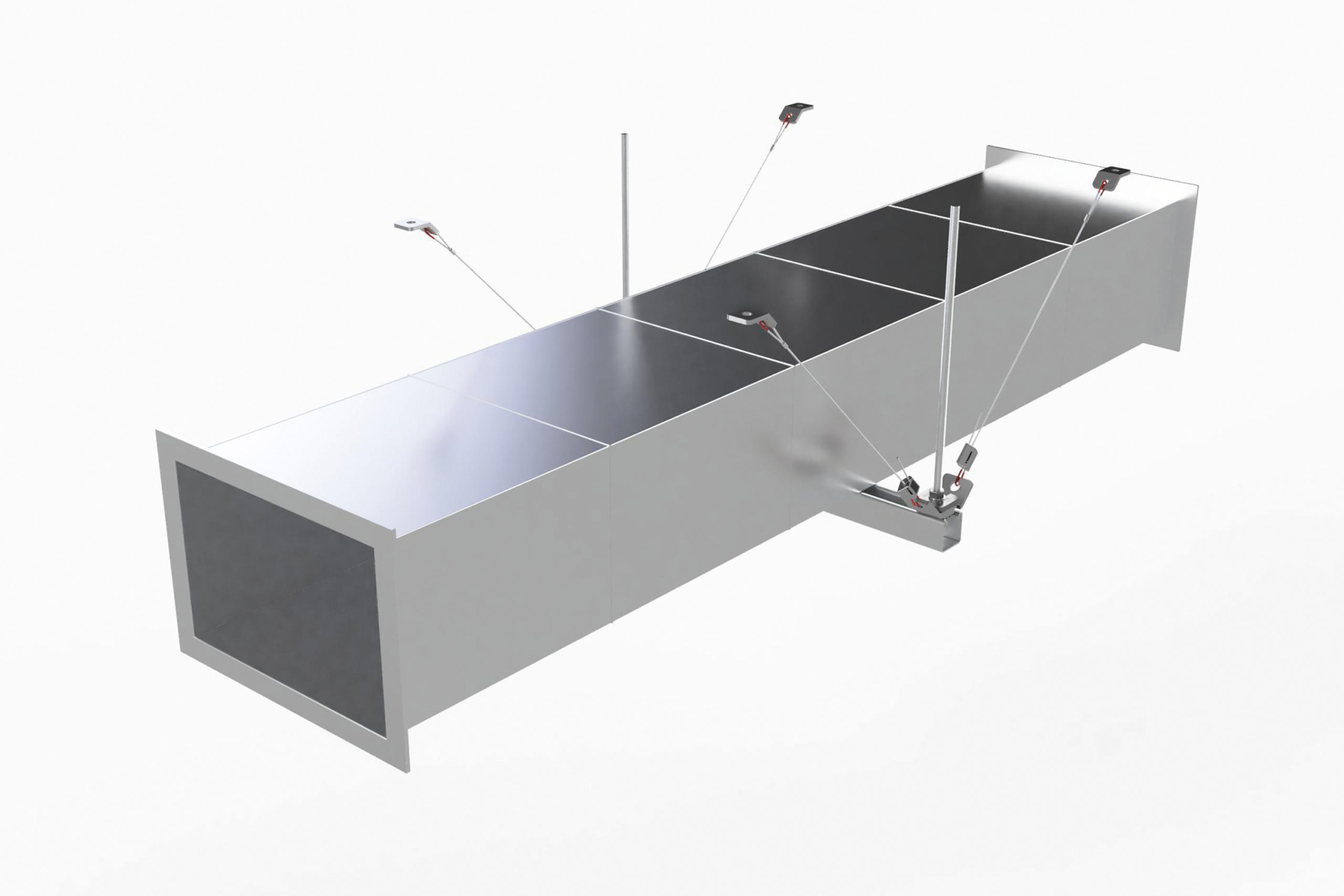
One of the key benefits of a seismic bracing system is that it helps to protect the structural integrity of the building. During an earthquake, the ground shakes violently, causing the building to sway and shift. Without a seismic bracing system in place, the building is at risk of collapsing or suffering significant structural damage. By installing a seismic bracing system, the building is better able to withstand the lateral forces generated by an earthquake, thus reducing the risk of structural failure.
Another important benefit of a seismic bracing system is that it helps protect the occupants of the building. In the event of an earthquake, a building that is not properly braced is more likely to collapse or sustain damage, putting the lives of those inside at risk. seismic bracing systems help to ensure the safety of occupants by reducing the risk of structural failure and providing a stable environment during an earthquake.
In addition to protecting the building and its occupants, seismic bracing systems also help to protect the surrounding area. During an earthquake, buildings that are not properly braced can collapse or sustain damage, causing debris to fall onto neighboring structures or roadways. By installing a seismic bracing system, the risk of damage to surrounding structures is reduced, helping to prevent further destruction and ensuring the safety of the community.
There are several types of seismic bracing systems available, each designed to meet the specific needs of a building or structure. One common type of seismic bracing system is a moment-resisting frame, which is designed to provide resistance to lateral forces by connecting the beams and columns of a building with rigid connections. Another type of seismic bracing system is a braced frame, which uses diagonal braces to provide additional stability to the building.
In addition to these traditional systems, there are also newer technologies available that offer advanced seismic protection. For example, base isolation systems are designed to separate the building from the ground, allowing it to move independently during an earthquake. This helps to reduce the amount of lateral force transferred to the building, reducing the risk of structural damage.
Overall, seismic bracing systems play a vital role in ensuring the safety and stability of buildings and structures during seismic events. By providing structural reinforcement and stability, these systems help to protect the building, its occupants, and the surrounding area from the devastating effects of earthquakes. It is important for building owners and developers to consider the installation of a seismic bracing system to ensure the safety and longevity of their structures.